
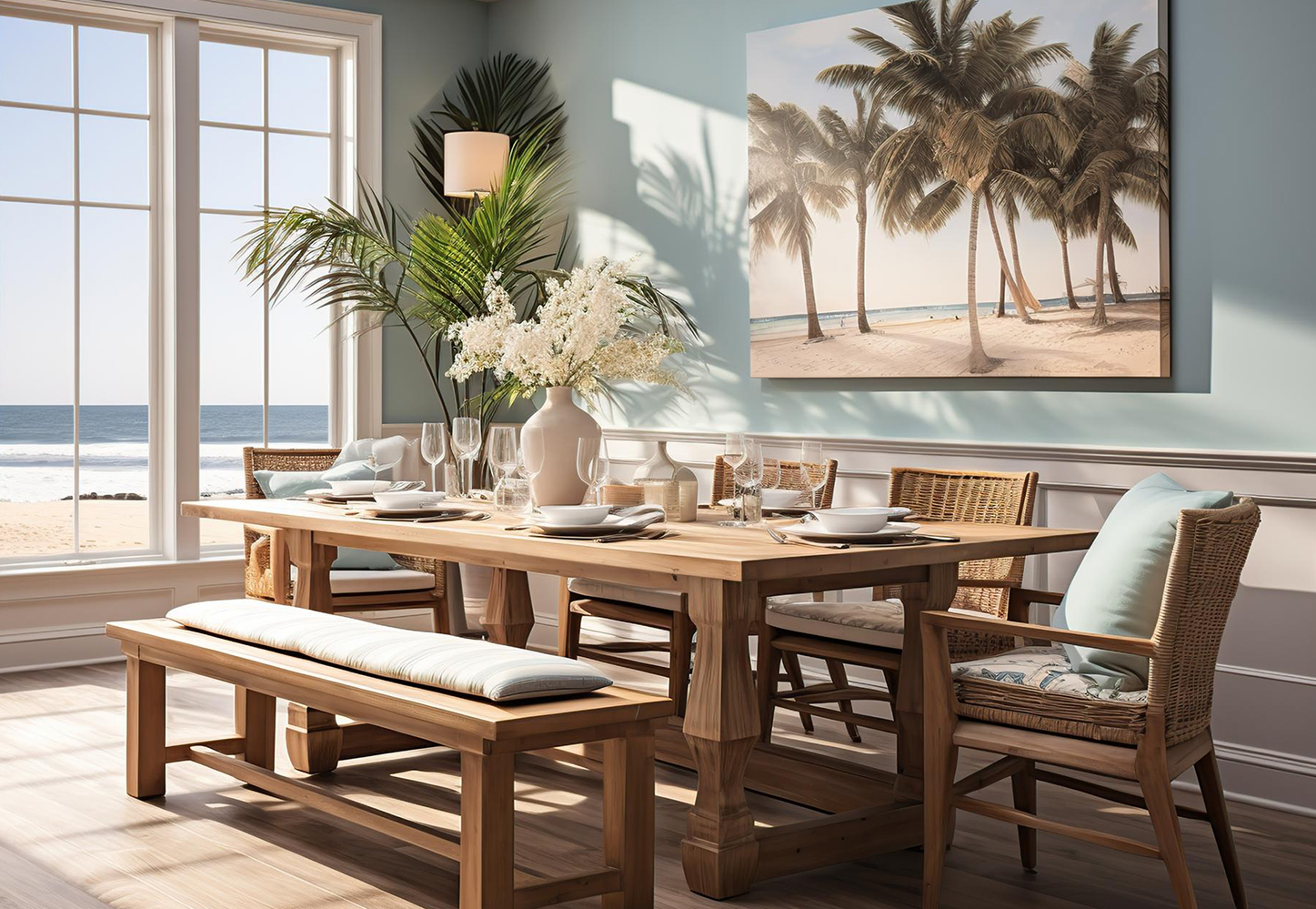
Urban areas now show a rising trend for coastal-inspired places because they combine tropical weather conditions with coastal living. Singaporeans seek interior design services that create bright and airy spaces which promote peacefulness without using visible coastal design elements.
Biophilic design has become the top interior design trend for 2026 because it combines coastal design elements with natural materials and calming colours to create peaceful nature-based living spaces.
The blog post investigates coastal interior design trends for 2026 through colour schemes and materials and furniture selection and design concepts that apply to both Singapore apartments and properties. The guide provides interior design tips along with common design myths and design questions which you need to know for creating your coastal-themed interior space.
What Defines Coastal Style in 2026?
Coastal interior design derives its basic style from elements that exist in marine environments and sandy beaches and the sky. The design style emphasizes open spaces which use natural textures together with a calming colour scheme. The style has developed into an elegant and simplified design during the year 2026.
Contemporary coastal design does not follow the traditional nautical style which uses decorative anchors. It focuses on:
- Neutral and soft blues
- Natural wood finishes
- Linen, cotton, and rattan textures
- Uncluttered spaces
- Plenty of natural light
The new style has found a comfortable place in workplaces, HDB apartments, condos and landed homes throughout Singapore. The design still emphasizes comfortable spaces which maintain their basic appearance without using decorative elements.
The style needs to be further explained because it shows strong relevance for Singapore urban environments.
Discover More : Types of Flooring in Singapore: A Complete Guide
Why Coastal Living Resonates in Singapore?
The interior design of Singapore needs breezy spaces because its inhabitants experience high humidity levels throughout the year. The common practice involves using materials that stay “cool to the touch” and provide good air circulation while maintaining low humidity levels because the hot and humid conditions persist throughout the year.
Coastal homes at East Coast and Sentosa and waterfront areas design their spaces to use natural views while other homes in non-coastal regions implement coastal design as a means to escape urban noise.
The coastal interior design offers various appealing features which attract offices, and homebuyers in Singapore.
- The light walls of a space reflect sunlight to create a bright environment.
- The design of open floor plans enables improved airflow throughout the space.
- Natural materials in the interior space work well with local tropical plants.
- The design creates an atmosphere of tranquility which combines sophisticated elements to produce an elegant environment.
The use of coastal interior design for staging homes will make them more attractive to buyers who want a peaceful home environment which provides daily tranquility.
The connection between the coastal design elements and the neighborhood must be examined alongside the assessment of what defines a genuine coastal environment.
What are the Key Elements That Shape a Coastal Atmosphere?
Before choosing décor pieces, focus on foundational elements.
Colour Palette
Start with a neutral base:
- White
- Soft beige
- Warm sand tones
Layer in accents:
- Seafoam green
- Pale blue
- Muted turquoise
Avoid overly bright navy or strong marine themes. Subtlety creates longevity.
Materials and Textures
Natural materials define coastal design:
- Rattan chairs
- Woven baskets
- Light oak or ash wood
- Jute rugs
- Linen curtains
In Singapore, moisture-resistant finishes are practical. Treated wood and breathable fabrics help maintain durability in humid conditions.
Furniture Choices
Choose sofas with clean lines and go for basic wooden tables. The space should not have large items because they will dominate the area in small offices, and aartments.
People who live in HDB flats with low ceiling heights should use low-profile furniture.
The base elements of a design system need to be established before designers can create various home design systems.
Bringing Coastal Style into Different Property Types
Design choices often depend on layout and square footage.
HDB Flats
- Use mirrors to reflect light.
- Keep walls in warm white shades.
- Choose slim storage units to reduce visual clutter.
Condominiums
- Outdoor rattan seating should be used to show off balcony spaces.
- Sheer curtains should be used to create a soft effect that reduces direct light.
- Palms and fiddle leaf figs should be introduced as indoor plants to enhance the space.
Landed Homes
- Emphasise large windows.
- Use woven materials to create statement lighting
- Use textured feature walls sparingly.
The design relies on textured feature walls as a minor element. The interior design of coastal areas will undergo changes through these modifications to match the housing needs of Singapore while maintaining an uncluttered appearance.
The analysis of property-related elements enables better comprehension of how coastal design develops into its various architectural styles.
What are the Different Types of Coastal Interior Design?
The domain of coastal interior design does not represent an established design style. Homeowners in Singapore, who will purchase apartments and condos and landed properties in 2026, will select elegant beach-style alternatives which extend beyond traditional beach aesthetics. The following shows how different coastal design styles differ from one another by showing their most frequently used characteristics.
Modern Coastal
Best suited for: Condominiums, new BTO projects, minimalist offices and owners
Modern coastal design uses design elements through its use of straight lines and design components and nautical design details which are not very visible. The design elements of the website contain:
- Soft whites, warm beige, and muted blues
- Light wood tones and matte finishes
- Sleek, minimalist furniture designs
- Little to no decorative clutter
The design presents a better solution for small Singaporean offices and homes because its design maintains a light atmosphere which does not disrupt the room’s space.
Tropical Coastal
Best suited for: Landed properties, larger condominiums, larger workplaces, homes with balconies
Tropical coastal design combines elements from the beach with the tropical resort style design. The design style creates an ideal match with Singapore’s tropical weather conditions. The design elements consist of:
- Rattan, wicker, and cane furniture
- Palm or botanical patterns
- Teak or dark wood accents
- Light, airy linen or cotton fabrics
Large windows along with sheer curtains and indoor plants create a tranquil setting which establishes a relaxed atmosphere.
Scandinavian Coastal
Best suited for: HDB flats, minimalist families, and offices
The designer created a space which unites the best features of Nordic minimalism with the softness of beachside living. The space moves away from the traditional nautical aesthetic, which includes heavy design elements, toward a design that prioritises warmth and practical use. What to expect:
- Pale oak flooring
- Off-white walls with light blue accents
- Functional furniture with slim profiles
- Textured throws and woven rugs
The space maintains a light atmosphere yet remains sufficient for city residents to experience comfort.
Hamptons-Inspired Coastal
Best suited for: Executive condos, Landed properties
The design takes inspiration from upscale beachfront properties to create a room that has better order and refinement. Typical features:
- Blue and white colour schemes
- Use of wall panels or wainscoting
- Show-stopping pendant lights
- Sofas with tailored finishes
The space creates an atmosphere of refined elegance which pairs nicely with large rooms that feature tall ceilings.
Rustic Coastal
Best suited for: Residential properties or offices that want to add warmth and texture
The rustic coastal design embraces the idea of weathered finishes and natural materials. The design elements include:
- Distressed wood furniture
- Linen slipcovers
- Stone or textured wall finishes
- Neutral sandy colours
The design creates an appearance which looks natural and earthy instead of modern and sleek.
Minimalist Coastal
Best suited for: Compact apartments and studios
The minimalist coastal design takes the idea of coastal design and breaks it down to its simplest form:
- Neutral base colours
- Minimal décor
- Hidden storage
- Clean surfaces
The design should establish a peaceful space which lacks any visible beach elements.
Coastal design creates different atmospheres which range from elegant and organised to tropical and casual. The Singaporean design system works best through the combination of different design elements which include modern planning and tropical elements or Scandinavian minimalism with coastal colours.
You can create a coastal-inspired design through your property type and lifestyle needs and spatial needs assessment.
Corporate and Commercial Coastal Interior Design for 2026
Coastal design is no longer limited to homes and resorts. In 2026, more corporate offices, retail spaces, cafés, and hospitality venues are adopting coastal-inspired interiors to create calm, welcoming environments that support productivity and customer experience.
Why Coastal Works in Commercial Spaces?
Workplaces and commercial venues are moving away from rigid, cold interiors. Urban areas with dense populations find coastal interior designs useful because they provide psychological relief from their concrete-filled environments which makes those designs especially appealing for offices and customer service areas.
Coastal design introduces:
- Spaces which fill with light create an open and breathable atmosphere
- Natural textures that soften structured layouts
- Neutral colour schemes which decrease visual strain
- Designs that combine relaxed sophistication with casual aesthetic
The 2026 corporate and commercial space coastal interior design uses atmospheric elements together with authentic material use and discreet luxurious details. The design creates spaces that provide an open feeling while maintaining a peaceful atmosphere which centers around human needs.
The concepts will become clearer through the case study demonstration.
Light, Breezy HDB Home with Coastal Vibes in Marine Parade
In Marine Parade, designers created an interior design scheme for an HDB flat that faces the East Coast through the ocean view at Marine Parade. The living room maintains an open design through off-white walls and selected furniture to achieve optimal light and view performance. The design team used folded glass panels as window elements to create a framed view which operates as both a window element and an artistic display.
The design team created a coastal-inspired interior space through two design elements, which combine bright base colours with soft textures including soft upholstery and light wood accents and natural materials.
The result:
- The living area connects with the view of the shoreline.
- The unified colour scheme increases brightness while expanding the area.
- The space maintains a light atmosphere through the presence of soft nature-inspired materials.
The design shows how Singaporean coastal design can transform local apartments into breezy spaces through its use of natural light and natural views and natural textures.
Continue Reading : What are the Types Of Flooring?: Importance And Uses For 2026
You should incorporate these concepts into your personal area.
What are the Styling Tips for 2026?
To refine your space further:
- Limit the number of decorative accessories to a few select pieces.
- Employ textured cushions rather than patterned ones.
- Choose light and airy window treatments.
- Add natural fragrances such as sea salt or citrus.
The design details in Singapore for boutique hotels and Airbnb rentals create a major impact on guest aesthetic and comfort experience. The key to coastal interior design requires professional limit implementation.
The space should contain only furniture and decor items, which create an open space atmosphere.
Conclusion
Offices and homeowners in Singapore choose coastal-inspired themes because they provide peaceful spaces which fit various property types. The combination of neutral colours with natural elements and proper furniture selection creates a space that looks both relaxed and sophisticated.
Our designers at LOME Interior, who have worked in the industry for many years, can start your coastal interior design project, who deliver design services throughout Singapore.
The two Joo Chiat and Toa Payoh showrooms let you to explore various materials and layouts while designers create customised spaces that match your personal lifestyle requirements. The complete process begins with detailed consultation and smart space planning, that show the project’s entire workflow.
Our project coordination and management services track all project elements by monitoring timelines, budget expenditures and progress on the construction site, for a smooth renovation process from beginning to end.
Book a free quotation to design a peaceful environment that follows modern coastal interior design principles. Visit our two showrooms at Joo Chiat Complex (#01-1135) or Toa Payoh Central (#01-364), we’re open daily from 11AM to 8PM or contact 6747 0893/6253 8272 today.
FAQs
Q1. How does coastal interior design differ from its predecessor in 2026?
Coastal interior design in 2026 uses clean lines together with natural textures and soft colours instead of nautical design elements which use bold colours.
Q2. Will coastal style work in smaller offices in Singapore?
Yes. Smaller offices, and apartments can achieve an open and spacious appearance through coastal style decoration which uses light colours and simple furnishings.
Q3. Will coastal design be expensive?
Coastal design becomes affordable through material selection which enables inexpensive design implementation. Rattan furniture and linen coverings and soft-toned paint create an aesthetic that requires no extensive construction work.
Q4. Can coastal and modern residential styles be combined?
Yes, many modern 2026 cohabiting (coastal and modern) places which exist in 2026 combine coastal design with minimalist furniture to create a complete design.
