
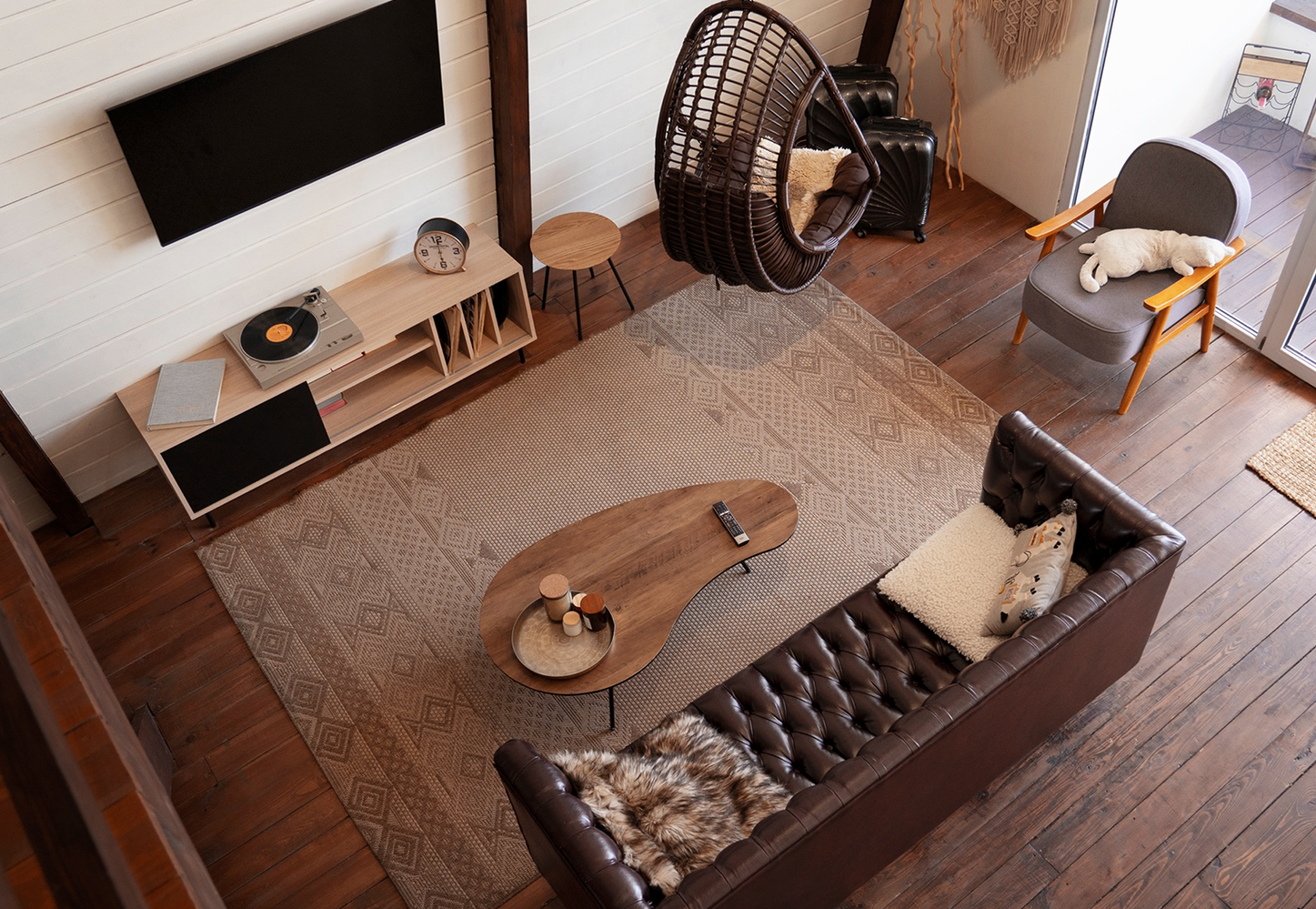
The choice of your home’s flooring establishes the atmosphere for your entire residence. Singapore flooring solutions require humidity control and heavy foot traffic capacity and compact living space functionality while maintaining your preferred interior design style.
The blog analyses various types of flooring in Singapore and shows their differences in cost and maintenance requirements and durability, which include premium flooring options that range from S$7 to S$30+ per square foot based on wood type and pattern complexity. The guide shows you which properties work best with which spaces from HDB flats to private condos to landed properties.
The guide provides you with a complete overview of your options for renovation and staging and new build planning, so you can make your decisions with complete understanding.
Why Flooring Choices are Necessary For Your Homes?
Material performance inside Singapore depends on the region’s tropical weather conditions. High humidity causes certain materials to expand. The families in this area need their homes to have water-resistant features because they frequently clean their spaces.
Space is another factor. The majority of HDB flats and condominiums provide space options between 700 and 1,200 square feet. The selection of flooring material determines how spacious or unified the various areas of your home will appear. Lighter tones create an open atmosphere while darker finishes produce warm contrast.
Home resale value extends beyond its visual properties. Real estate agents often highlight updated flooring as a selling point. Worn or outdated surfaces can reduce buyer appeal.
The main flooring types available today in Singapore will be examined first before we present all existing flooring options.
Vinyl stands out as one of the most chosen materials for modern Singaporean homes because it provides different design options.
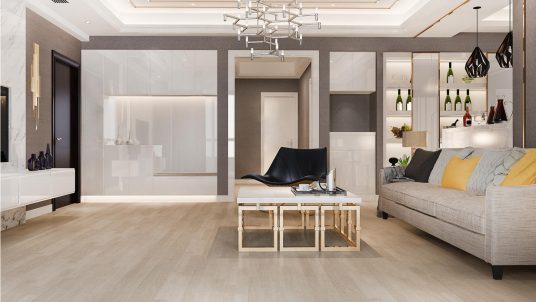
READ MORE: Types of Flooring in Singapore: A Complete Guide
Vinyl Flooring: Practical and Budget-Friendly
Vinyl flooring remains the top choice when Singaporean homeowners select flooring for their HDB flats.
Why it’s popular?
- Water-resistant
- Comfortable underfoot
- Available in wood and stone designs
- Lower installation cost
Modern vinyl planks use click-lock systems, which speed up installation. For busy families, the scratch-resistant surface handles daily wear well.
Points to consider
- Quality varies across brands
- Direct sunlight may cause fading over time
- Heavy furniture can leave dents
Vinyl works well in bedrooms and living rooms. Some homeowners also use it in kitchens due to its moisture resistance.
Homeowners who want timber appearance at a budget-friendly rate should consider laminate as their second option.
Laminate Flooring: A Wood Look Without Solid Timber
Laminate provides wood-like appearance but comes with a more affordable price.
Benefits
- Affordable compared to hardwood
- Wide range of finishes
- Easy to replace damaged planks
The material requires standing water because laminate lacks enough tolerance. The humid atmosphere of Singapore requires proper setup and moisture defense systems to be present.
Homeowners who want wood warmth without solid wood expense can use laminate as their practical flooring choice.
Hardwood products deliver timeless wood grain patterns which maintain their authentic appearance through extended use.
Engineered and Solid Hardwood: Natural Warmth
Timber flooring adds character and texture. Landed homes and high-end condos maintain their demand for hardwood floors.
Solid Hardwood
- Made from a single piece of wood
- Can be sanded and refinished multiple times
- Higher cost
Engineered Wood
- Real wood veneer on layered core
- More stable in humid climates
- Slightly more affordable than solid timber
Humidity control is key in Singapore. Air-conditioning helps stabilise moisture levels which protects wood surfaces from damage.
Wood requires periodic maintenance yet its beauty resides in its natural appearance. Households with busy schedules need to evaluate their maintenance abilities before choosing this option.
Timber has a warm quality, which contrasts with the advantages tile materials offer in humid conditions.
Homogeneous and Porcelain Tiles: Durable and Low Maintenance
Singapore’s residents commonly use tiles for their kitchen and bathroom areas.
Advantages
- Highly water-resistant
- Durable under heavy traffic
- Easy to clean
The colour of homogeneous tiles remains unchanged, so damages become less visible than other tile options. These tiles are typically made from porcelain, which has a higher density and is less absorbent to moisture and staining.
Functional spaces need tiles because they provide both aesthetic value and durability, which leads to higher resale value.
Homeowners can achieve a premium flooring design through natural stones, which add visual sophistication to their interior spaces.
Marble and Natural Stone: Premium Appeal
Marble floors are often found in upscale condominiums and residential properties which require high-end design elements.
Strengths
- Elegant appearance
- Cool underfoot, suitable for tropical weather
- Long lifespan with proper care
Limitations
- Higher installation cost
- Requires sealing and polishing
- Slippery when wet
Designers often suggest that marble should be installed in the main areas of homes because it improves the visual appearance of spaces.
The system enables users to compare the properties of selected materials by presenting their features side by side for direct comparison.
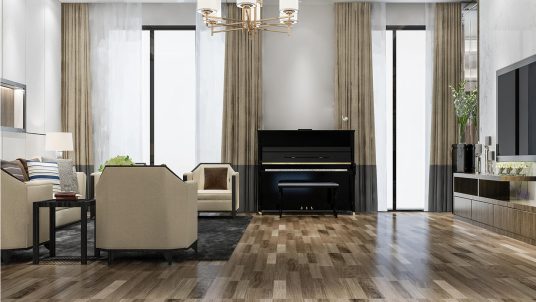
Quick Comparison Table
The table shows a simplified overview of all the main options for easier comparison.
| Material | Water Resistance | Cost Range | Maintenance | Best For |
| Vinyl | High | Low–Mid | Low | Bedrooms, living rooms |
| Laminate | Moderate | Low | Moderate | Bedrooms |
| Engineered Wood | Moderate | Mid–High | Moderate | Living areas |
| Solid Hardwood | Moderate | High | Higher | Landed homes |
| Tiles | High | Mid | Low | Kitchens, bathrooms |
| Marble | Moderate | High | Higher | Luxury interiors |
Different types of flooring in Singapore cater to specific requirements while matching various financial capacities. The comparison results lead to material selection based on how each room will function.
How to Choose the Right Floor for Each Room?
The majority of Singaporean homeowners prefer to use various materials by installing them only in separate sections of their houses.
-
Living Room
The area offers three standard options which include vinyl engineered wood and marble because these materials provide both design comfort and visual appeal.
-
Bedrooms
The two flooring options create a warm atmosphere while decreasing sound transmission between rooms.
-
Kitchen
The space has high traffic because porcelain tiles can easily be cleaned after handling spills from cooking activities.
-
Bathrooms
People choose non-slip tiles because these products deliver essential protection against slip hazards.
People should evaluate the daily activities of each room when they select flooring materials for their homes. The visual attractiveness of a product needs to be combined with its actual functional capabilities.
The selection process is vulnerable to contamination by widely believed myths which persist despite efforts to find a proper selection method.
What are the Common Misconceptions About Flooring?
-
“Vinyl looks cheap.”
Modern vinyl designs replicate wood grains and stone textures convincingly. Quality installation makes a visible difference.
-
“Tiles make homes feel cold.”
People who live in Singapore can benefit from less hot surfaces because they help create outdoor spaces without air conditioning systems more comfortable at night.
-
“Hardwood cannot work in humid climates.”
Solid wood does not perform as well as engineered wood when subjected to humidity. The control systems for indoor conditions need to manage both humidity and temperature to prevent these issues from occurring.
Home renovation projects usually lead to these common difficulties which require specialised knowledge for their solutions. The actual samples need to be examined by you while professionals should guide your expectations about their capacities.
The existing building trends in your region will show you about current construction methods which go beyond your personal beliefs and theoretical ideas.
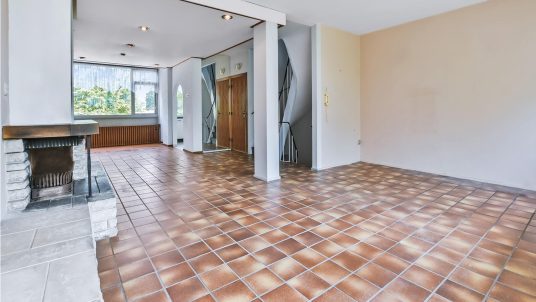
Flooring Application in Singapore Homes (2026)
The HDB and BTO apartment communities of Singapore especially in Sengkang Punggol Tampines and Yishun areas now see homeowners using vinyl flooring in their entire home spaces which includes all rooms.
Vinyl is a popular choice among homeowners because it mimics the look of wood, is very easy to maintain, and can be installed at a reasonable price; there is a good chance to have uniformly designed interiors across their smaller city housing units.
- Vinyl flooring performs in areas that experience dry conditions and high foot traffic because its standard planks cost S$5–9 per square foot while its top-tier versions have a higher price range.while its top-tier versions have a higher price range.
- The standard durability of a product makes it suitable for wet spaces which include bathrooms and kitchens and balconies where ceramic and porcelain tiles at S$10–12 per square foot are still commonly specified for wet areas such as bathrooms, kitchens, and balconies, where durability and water resistance matter most.
- Laminate flooring, often priced around S$6–11 per square foot, also appears in some bedrooms and study zones where a wood-like look and a cooler surface underfoot are desirable.
Premium materials such as engineered wood and parquet deliver a warmer finish but they come with higher costs in top-end condominiums and certain areas of condominiums.
Conclusion
Singapore will boost home aesthetics through flooring which enhances both visual appeal and functional performance. The design choices made by people have a greater effect on how materials function than environmental conditions and spatial dimensions.
The different vinyl laminate tiles and marble options each possess distinct advantages which people can choose from for their flooring needs. You can select a floor that fits your lifestyle and budget after reviewing all the available flooring options.
When exploring different flooring types, having the right design team can make decision-making far more straightforward. LOME Interior brings years of industry experience to every project, guiding homeowners from concept planning to final handover with clear coordination and careful budgeting.
From detailed space planning to realistic 3D perspective drawings, book a free quotation with our designers to help you visualise how each flooring option will look within your home before work begins. Our project management approach keeps timelines on track while maintaining design quality throughout.
Attend our East showroom at 2 Joo Chiat Road, Joo Chiat Complex #01-1135 (6747 0893) or Central showroom at 184 Toa Payoh Central #01-364 (6253 8272), open daily from 11AM to 8PM, or email leads@lomeinterior.com.sg to start your renovation.
FAQs
Q1. What are the most popular types of flooring in Singapore?
The two most common flooring options among Singaporean consumers are vinyl and tiles which provide water protection at an economical price. Engineered wood is also gaining popularity in private properties.
Q2. Is vinyl suitable for kitchens?
Waterproof vinyl is frequently chosen by homeowners for kitchen use, but porcelain tiles remain a favored option for their exceptional durability.
Q3. Which flooring type adds the most resale value?
Buyers mostly prefer quality tiles and well-maintained hardwood, but they will focus on the overall condition of a property more than its individual components.
Q4. Can I use one flooring type throughout my home?
Yes, some people choose to install different materials in their home because they need to separate areas that experience moist conditions from those that stay dry.
Q5. How do I choose between different types of flooring?
You should decide between flooring options based on your financial plan and required maintenance and expected humidity levels and preferred design style.
