
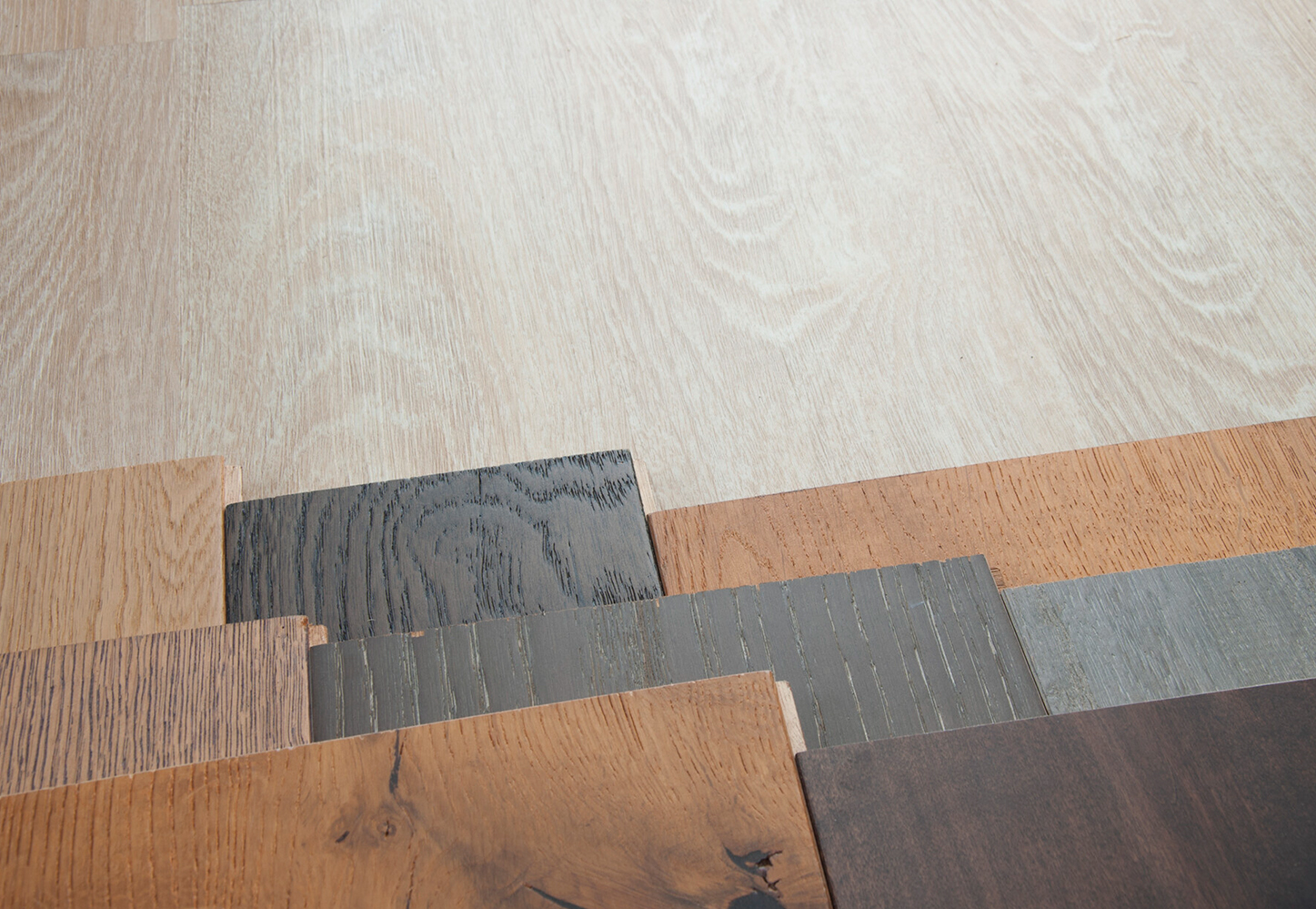
The selection of flooring creates the overall feel of your workplace or home. The best flooring material will depend on three factors which include the climate and your personal lifestyle and the type of office, HDB flat, private condo or landed home you are in. Each flooring material has its own advantages and disadvantages.
Renovations face their highest financial burden when selecting flooring materials for the intended space. The Singapore renovation budget breakdown shows that flooring costs represent two major renovation expenses which include carpentry work plus toilet installation. Vinyl flooring installation for a 4-room HDB unit will cost between S$4,000 and S$7,000 according to current estimates. The total costs depend on the selected material and whether subfloor work needs to be conducted.
The blog compares different flooring options by showing their advantages and disadvantages together with their associated costs and tips for selecting appropriate flooring. The document contains answers to frequently asked questions which include useful information about local weather conditions.
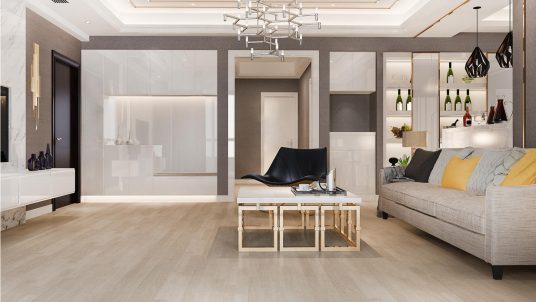
Why Are Flooring Choices Necessary?
Flooring functions as more than a walking surface in Singapore apartments. It must endure all of these problems:
- High levels of moisture
- Frequent cleaning
- Continuous pedestrian traffic in limited spaces
- Kitchen and bathroom floors experience water spills
Improper installation of materials leads to excess moisture in indoor spaces which results in material expansion and bending and mildew growth. HDB flats and workplaces follow renovation guidelines that restrict flooring selection especially in wet areas and when soundproofing is required.
You need to choose your flooring materials during the renovation process because all existing factors make it vital that you maintain your current flooring. The article discusses different flooring types and their best applications in various rooms after explaining the importance of flooring.
READ MORE : Open Kitchen Design Guide for 2026
Corporate and Commercial Interior Design Flooring Choices
The flooring in corporate and commercial areas needs to endure heavy foot traffic, and humid conditions and everyday use while maintaining a professional look. Proper material selection ensures both safety and durability while establishing the company’s brand identity.
Offices
- Carpet tiles for sound absorption abilities and simple tile replacement.
- Vinyl (LVT/SPC) provides long-lasting strength with minimum upkeep requirements.
- Executive rooms and meeting spaces require engineered wood as their preferred flooring solution.
Retail & Showrooms
- The porcelain tiles provide scratch protection for retail spaces.
- The homogeneous vinyl flooring material withstands heavy foot traffic in commercial environments.
- Polished concrete creates a contemporary design that features industrial visual elements.
F&B & Hospitality
- The anti-slip tile system provides a safe walking surface.
- The waterproof vinyl material provides users with comfort while preventing spills from damaging it.
- Sealed stone serves as the exclusive flooring solution for luxurious spaces.
Commercial flooring should deliver:
- Commercial spaces need flooring materials that can endure heavy foot traffic throughout their operational hours.
- The use of slip-resistant flooring materials ensures safe walking conditions which meet safety regulations.
- Tropical environments need flooring solutions that can withstand high moisture levels.
- The use of straightforward maintenance practices leads to decreased financial expenses over extended periods.
- The office spaces and common areas need acoustic solutions to control sound levels.
Workplaces and commercial environments require surfaces that provide both safety protection and long-lasting durability with respectful brand presentation.
The Singapore urban environment requires flooring solutions that can endure continuous pedestrian traffic and rainy weather while maintaining an attractive appearance.
Which are the Popular Flooring Materials and Where They Work Best?
Singapore offices and homeowners select certain flooring materials while showing a preference for specific flooring materials.
Vinyl Flooring
Vinyl has gained popularity in recent years. It offers wood and stone and tile designs while being water-resistant and budget-friendly.
| Best for | Pros | Cons |
| Living rooms, and offices | Budget-friendly | Can scratch with heavy furniture |
| Bedrooms | Soft underfoot | Lower resale perception compared to natural materials |
| Kitchens | Low maintenance | – |
Vinyl functions as an effective flooring material for Singapore offices and flats because it resists humidity.
Porcelain and Ceramic Tiles
Tiles remain a long-standing choice in local homes. The product maintains its cool surface during hot weather in Singapore because it effectively manages moisture.
| Best for | Pros | Cons |
| Bathrooms | Highly durable | Hard surface |
| Kitchens | Water-resistant | Grout requires upkeep |
| Living areas in resale places | Easy to clean | – |
Many older HDB units, and offices feature tile flooring throughout the home because of its durability.
Engineered Wood
Engineered wood functions as a stable alternative to solid timber because it maintains its appearance of solid timber. The product consists of a top layer made from real wood which is attached to a plywood foundation.
| Best for | Pros | Cons |
| Bedrooms | Warm, natural appearance | Higher cost |
| Living rooms | More stable than solid wood | Sensitive to prolonged moisture |
Homeowners who want both natural aesthetics and timber risks should select this option.
Laminate Flooring
Laminate flooring imitates wood through a design that features photographic printing underneath its protective surface.
| Best for | Pros | Cons |
| Bedrooms | Affordable | Not ideal for wet areas |
| Study rooms, and offices | Scratch-resistant | Can swell if exposed to water |
Laminate remains one of the common types for budget-conscious renovations.
Natural Stone (Marble, Granite)
Natural stone provides a luxurious appearance that designers use for upscale workplaces, condos and landed properties.
| Best for | Pros | Cons |
| Living rooms, and offices | Luxurious finish | Expensive |
| Entryways | Strong resale appeal | Requires sealing and maintenance |
Singapore residents prefer stone flooring because its cool surface provides comfort in the tropical climate.
The side-by-side comparison shows material differences after the main materials have been described.
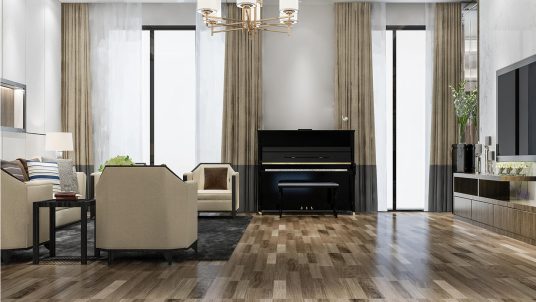
Comparison of Common Options
The simplified comparison shows popular flooring materials which allows you to reduce your selection options.
| Material | Water Resistance | Cost Range | Maintenance Level | Typical Lifespan |
| Vinyl | High | Low–Mid | Low | 10–15 years |
| Tiles | Very High | Mid | Low–Mid | 20+ years |
| Engineered Wood | Moderate | Mid–High | Mid | 15–25 years |
| Laminate | Low–Moderate | Low | Low | 10–15 years |
| Natural Stone | High | High | Mid–High | 25+ years |
The table provides a complete summary of installation durability but it depends on installation quality.
The real material renovation study shows how these options function in real world situations.
Vinyl Flooring Selection for a 4-Room Sengkang BTO
The Sengkang family completed renovations at their 4-room BTO home. The family installed luxury vinyl plank flooring throughout their home according to their remodeling plan. The flooring material was chosen because it provides a wood-like appearance and sound insulation properties and moisture resistance which suits Singapore’s hot and humid climate.
The family selected SPC Stone Plastic Composite as their premium luxury vinyl plank because it handles slight subfloor variations found in resale flats. The professional flooring installation process limits demolition work by restricting existing flooring removal which results in a shorter remodeling period.
The kitchen and bathroom required ceramic tiles because these areas needed the cold hard surface together with moisture-resistant properties of ceramic material.
The final effect produces:
- Warm cohesive design across all living spaces
- The surface provides slip resistance which creates safety for small children and elderly parents.
- The design reduces noise which allows unobserved movement
Singaporean homeowners choose their flooring type based on their lifestyle preferences and climate conditions because they use vinyl for their main living area and select tile for areas which experience moisture.
Homeowners still believe several myths about vinyl which affect their decision making in purchasing vinyl products.
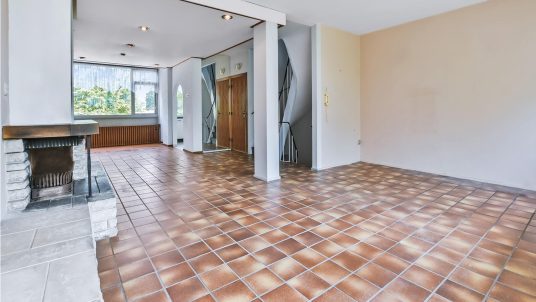
What are the Common Myths About Flooring in Singapore?
The available information about types of flooring presents contradictory information. Our team will assist you in discrediting multiple myths.
- Myth 1: The weather in Singapore makes wood flooring impossible to use. The Singapore atmospheric conditions will damage solid wood but engineered wood can resist humidity when installed correctly.
- Myth 2: The cheapest option is always tile. The total cost of tiling increases significantly because tile prices need to be paid along with hacking and labour fees.
- Myth 3: Vinyl tiles look like imitation wood material. Digital print technology has made vinyl plank flooring look more like real wood than before.
All myths about flooring options should be disproved because they prevent you from learning about current knowledge how to select flooring.
The process of evaluating flooring options becomes simpler after you have successfully proven these myths to be false.
The process of evaluating your flooring options should start with these tips which need you to assess all factors before you make your final decision.
Tips Before You Decide
The selection of types of flooring for Singapore properties needs you to evaluate these particular factors before making your decision.
Property Type
- HDB flats: Check renovation guidelines for wet areas and hacking rules.
- Condos: Review all management regulations which control noise and installation of underlayment.
- Landed homes: You have more flexibility but must consider long-term upkeep.
- Offices and Workplaces: Check building management rules before renovation. Confirm hacking hours, delivery timing, and permit requirements. Review fire safety, electrical load limits, and acoustic underlayment regulations.
Household Lifestyle
- If your family has pets, you need to pick surfaces which resist scratches.
- If your household includes young kids, choose vinyl because it provides a safer experience through its softer texture.
- Tiles and vinyl products require less maintenance work for people who wish to decrease their cleaning responsibilities.
Subfloor Condition
All resale units which are older need to have their floors leveled before they can start installation. The process of skipping this step leads to both uneven surfaces and early damage.
Budget Planning
The total flooring expenses consist of:
- The material cost is calculated per square foot.
- The installation work needs labour.
- The existing flooring will be disposed of.
- The process requires skirting work and finishing.
You need to set aside funds for unexpected expenses which might occur in older flats.
Conclusion
The selection of flooring materials determines the daily aesthetic appearance and tactile experience of your workplace and home. The Singaporean climate together with property regulations and personal living habits determines which options will provide optimal performance. The assessment of available materials followed by cost comparisons and installation schedule design will create a space which provides comfort and operational functionality for the coming years.
Upgrade your place with LOME Interior, backed by a team with years of industry experience in Singapore’s renovation space. The 2 showrooms present an opportunity to study different flooring options and architectural designs while users can interact with design professionals.
The entire installation process starts with personalised consultation and space planning. Your flooring selection process begins with customised details which help you choose flooring that matches your daily activities, the climate of your environment and provides long-term comfort.
Book a free quotation at LOME Interior to begin your first step toward durable flooring. Contact 6747 0893/6253 8272, visit our two showrooms at Joo Chiat Complex (#01-1135) or Toa Payoh Central (#01-364), we’re open daily from 11AM to 8PM.
FAQs
Q1. What are the most popular types of flooring in Singapore?
Vinyl and tiles remain the most common choices due to their water resistance and affordability. The use of engineered wood in living spaces is becoming more popular among homeowners.
Q2. How do I choose between different flooring types for a small HDB flat?
You should prioritise three factors when selecting HDB flats which include their resistance to moisture and their requirements for maintenance and their actual height from the floor. The most suitable flooring materials for small areas include vinyl and tiles which offer practical solutions.
Q3. Is vinyl better than laminate for Singapore’s humidity?
Vinyl has superior moisture resistance compared to laminate products which makes it appropriate for use in kitchen, office kitchens, and living room areas found in humid environments.
Q4. How long do most types of flooring last?
The lifespan of flooring materials depends on their material composition and how well they were installed. The lifespan of tiles and natural stone extends over multiple decades while vinyl and laminate products last between 10 to 15 years.
