
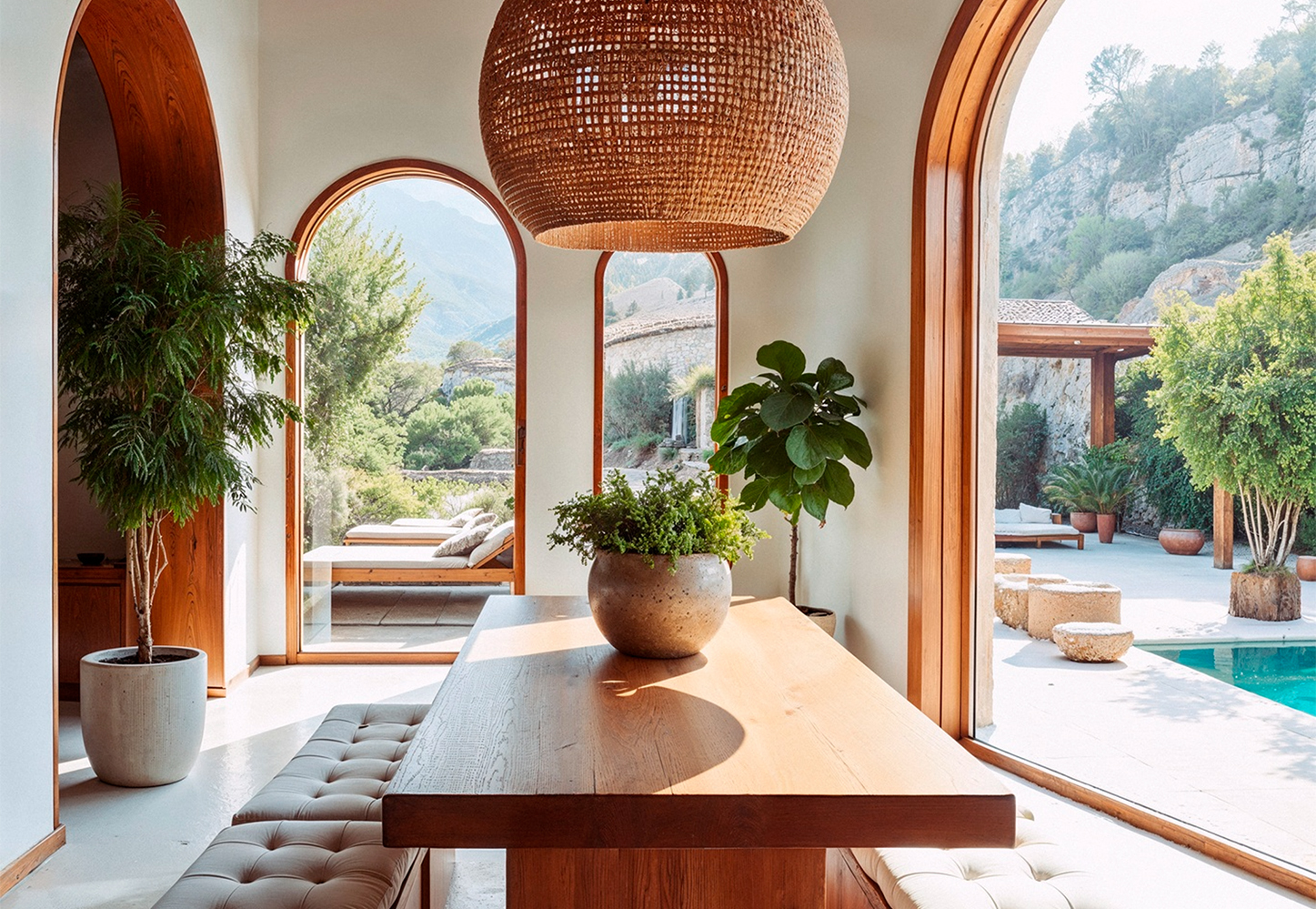
A private villa in Bali. A cliffside retreat in Phuket. A five-star suite overlooking Sentosa. Homeowners, workplaces, and hospitality brands in Singapore want to achieve the same tranquil multiple-layered luxury which they experienced in 2026.
The regional developments support that aspiration. Bali continues to see expansion through high-end resort and villa developments which major global brands establish or expand their operations. The Bukit Peninsula now has Mandarin Oriental Bali which opened as a luxury hotel featuring over 110 suites, villas and private residences. The projects now focus on wellness and sustainability and experiential luxury instead of increasing their room capacity.
This blog examines resort style interior design principles which have been used in interior design and shows current design trends for the upcoming year and provides methods to use those trends in Singaporean properties which include landed homes, properties, and premium condominiums.
The design features and layout strategies and material ideas and answers to common questions have been developed to meet the specific needs of Singapore’s climate and lifestyle requirements.
Why People are Choosing Relaxed Luxury Living?
In recent years, high-net-worth developers in Singapore have shifted their focus from purely aesthetic luxury to experiential living. Properties are designed as personal retreats. Hospitality brands compete on atmosphere as much as service. Even urban condominiums seek to capture the mood of tropical escapes.
Resort style interior design speaks directly to this shift. It prioritises:
- Calm spatial planning
- Natural textures and layered lighting
- Smooth indoor-outdoor connections
- Wellness-focused features
The design space creates its atmosphere through its use of light breezes which pass through sheer curtains together with warm timber tones and textured stone and curated greenery.
The approach enables hospitality workers together with Airbnb hosts to create guest experiences which their customers will always remember. The design of properties transforms daily activities into processes which provide actual physical relaxation.
The design direction becomes successful because Singaporean urban environment establish physical barriers which keep people from accessing their preferred design styles.
Why This Aesthetic Works?
Singapore’s tropical climate together with its biophilic urban design creates the perfect conditions for resorts to build vacation-themed interiors. The design of resort-style interior spaces makes use of large windows along with balconies and sky terraces because they provide direct access to natural light and outdoor spaces.
Several local factors reinforce its appeal:
-
Climate Compatibility
The design of the space uses lightweight fabrics, cross-ventilation capabilities and shaded outdoor areas to create comfortable environments throughout the entire year.
-
Compact Urban Living
The design layout creates an efficient flow system which allows all spaces to achieve their maximum potential because it creates clean flow patterns.
-
Luxury Market Expectations
High-income buyers together with investment tenants now judge property value based on their overall lifestyle experience instead of measuring space through square footage.
Resort-style HDB interior design has become increasingly popular in public housing projects. The designers use style elements which include layered light systems together with wooden timber designs and decorative elements to make practical spaces resemble boutique hotel interiors.
The aesthetic design of Sentosa Cove and Bukit Timah and Orchard enables developers to create high-quality space which matches international buyer preferences.
The established context shows how 2026 interior design elements develop into their final design through practical application in actual projects.
Read more : Open Kitchen Design Guide for 2026
What are the Main Elements of 2026 Resort-Inspired Interiors?
The design trends of 2026 show minor changes which do not affect the overall style of the previous design.
Natural Materials with Depth
Expect to see:
- Travertine and limestone finishes
- Engineered timber flooring in warm tones
- Rattan, cane, and woven accents
- Textured limewash walls
These materials create warmth without heaviness.
Indoor–Outdoor Continuity
In Singapore properties, this often includes:
- Folding glass doors leading to patios
- Outdoor lounge areas with weather-resistant upholstery
- Water features or plunge pools in landed homes
The goal is visual flow rather than strict separation.
Spa-Inspired Bathrooms
Bathrooms take cues from boutique resorts:
- Freestanding tubs
- Neutral stone palettes
- Soft backlit mirrors
- Open shower concepts
Wellness remains central in 2026.
Layered Lighting
Ambient lighting replaces harsh overhead fixtures. Designers use:
- Cove lighting
- Table lamps with fabric shades
- Warm LED strips in niches
This creates a calm evening atmosphere.
Curated Minimalism
Decor stays intentional. Instead of crowded shelves, focus on:
- Large-scale art
- Sculptural furniture
- Statement pendant lighting
This controlled restraint keeps interiors refined.
Ideas gain traction when translated into practical decisions. Moving from inspiration boards to finished spaces calls for clear direction.
What are the Steps for Homes and Hotels from Concept to Execution?
Turning inspiration into reality requires thoughtful planning. For homeowners, designers, and developers in Singapore, these strategies help bring resort-inspired interiors to life.
Start with Spatial Planning
Before selecting finishes, refine circulation:
- Widen visual sightlines from entry to living areas
- Reduce unnecessary partitions
- Position furniture to support conversation and relaxation
Open layouts feel expansive, even in condominiums.
Choose Climate-Smart Materials
High humidity demands durable options:
- Moisture-resistant laminates
- Outdoor-grade fabrics for balconies
- Anti-mould treatments in bathrooms
These details support long-term performance.
Invest in Texture, Not Ornament
Texture drives depth more than decoration. Consider:
- Upholstered headboards in linen
- Timber ceiling panels
- Stone feature walls
This avoids visual clutter while adding richness.
Adapt for Compact Living
For resort style HDB interior design, focus on:
- Neutral palettes to expand perceived space
- Built-in storage concealed behind clean lines
- Mirrors placed to reflect natural light
Small homes can still capture vacation ambience.
The aesthetic appeal of this style goes beyond residential spaces. The same aesthetic principles are utilised by commercial establishments throughout Singapore.
Commercial Spaces Through Resort Experience
The Singapore commercial centers of 2026 will use resort design principles to establish environments that project tranquility and hospitality and provide visitor experiences through their office spaces and residential buildings and retail outlets and multipurpose facilities.
The new business environment requires owners and developers to adjust their operations according to evolving market demands. Clients and tenants and employees now demand spaces that provide both functionality and atmosphere and comfort and spatial quality.
Why Resort-Inspired Design Works in Commercial Settings?
Commercial interiors that adopt cues from resort style interior design often report:
- Longer dwell time in retail and lifestyle spaces
- Improved employee satisfaction in office environments
- Stronger brand perception for premium developments
- More inviting reception and client-facing areas
The atmosphere of the event space presents itself with a combination of informal dressing standards and sophisticated dressing standards.
As businesses adopt hybrid work models which will stay and as experiential retail develops, commercial spaces need to provide additional advantages beyond their basic operational functions. The design of resort-style spaces establishes environments which serve their purpose while maintaining a focus on human comfort.
The recent project at Sentosa Island shows these principles through its execution of their maximum potential.
Raffles Sentosa Singapore: An All-Villa Resort Retreat in Singapore
The Raffles Sentosa Singapore resort opened its doors as Singapore’s inaugural all-villa luxury resort which featured 62 private pool villas created by the world-renowned design firm Yabu Pushelberg. The developers of this property designed it to keep visitors from seeing each other while creating a peaceful environment which allowed for seamless movement between indoor and outdoor spaces.
The windows which stretch from floor to ceiling provide views of the tropical landscape while the interior design uses natural materials like stone and timber to create a warm atmosphere. The design of each villa includes direct access to a personal terrace and pool area which creates an uninterrupted path between indoor living areas and outdoor natural spaces.
The result:
- Transition between indoor lounges and outdoor pool terraces
- Strong visual connection to surrounding greenery through expansive glazing
- Layered natural materials that create warmth without visual heaviness
- Private, villa-style layouts that prioritise relaxation and comfort
Raffles Sentosa Singapore shows that Singapore resorts can create peaceful spaces through their design while maintaining the elegant standards of a top-tier luxury hotel.
The current changes can be understood better through a direct comparison between past and present priorities of the organisation.
Urban Luxury vs. Resort-Inspired Luxury
The 2026 shift shows a preference for comfortable materials which provide tactile warmth instead of theatrical display elements.
| Feature | Conventional Urban Luxury | Resort-Inspired Approach |
| Colour Palette | Dark marbles, bold contrasts | Warm neutrals, earthy tones |
| Lighting | Statement chandeliers | Layered ambient lighting |
| Materials | Polished surfaces | Textured stone, timber |
| Atmosphere | Formal, dramatic | Relaxed, restorative |
Homeowners and developers continue to express some doubts about the growing popularity of the product.
What are the Common Concerns?
Despite its popularity, some clients hesitate due to misconceptions.
“Will It Look Too Thematic?”
When executed thoughtfully, resort style interior design avoids cliché décor such as overt tropical prints or heavy ornamentation. The approach centres on mood, not themed accessories.
“Is It High Maintenance?”
Natural materials do require care, but modern engineered materials provide equivalent textures with better durability. Stone-look porcelain and treated timber veneers together with performance fabrics create a solution that needs less maintenance.
“Does It Suit Urban High-Rises?”
Yes. High-rise apartments in Singapore can create the same effects as direct garden access through their use of greenery and layered lighting and calming color schemes.
Conclusion
Singapore property market advancement presents lifestyle-relevant design decisions much more in comparison. Hospitality spaces compete through atmosphere. Developers seek interiors that photograph well and age gracefully.
The interior design style of resort style creates a design system which achieves balanced results between warmth and texture and spatial tranquility. The design method applies different property types which range from spa-like bathrooms in Orchard penthouses to tropical-inspired condominiums in East Coast and relaxed villas in Sentosa.
Visualise your home through 3D perspective drawings before work begins, with LOME Interior. Guided by a team with years of hands-on industry experience in Singapore, every stage is handled with clear planning and attention to detail.
Every place is designed to match your lifestyle needs through its combination of comfortable design, visual appeal and functional daily use. Our project coordination together with management activities through the entire process, ensure that our team meets deadlines, stays within budget limits, and maintains communication.
Book a free quotation today and take the first step towards a refined, resort-style space designed with purpose and care. Contact 6747 0893/6253 8272, visit either of our two showrooms at Joo Chiat Complex (#01-1135) or Toa Payoh Central (#01-364), we’re open daily from 11AM to 8PM.
FAQs
Q1. What defines resort style interior design in 2026?
In 2026, resort style interior design focuses on calm spatial flow, natural materials, indoor-outdoor continuity, and wellness-driven features. The aesthetic emphasises atmosphere over decoration, creating homes, and properties that feel restorative and open.
Q2. Can this style work in smaller Singapore apartments?
Yes. By using light palettes, layered lighting, and thoughtful storage, compact homes, offices can reflect vacation-inspired interiors. Many designers adapt the concept successfully in condominiums and HDB flats.
Q3. Is it suitable for hospitality projects?
Absolutely. Boutique hotels, serviced apartments, and Airbnb units benefit from this aesthetic because it shapes guest perception immediately. Materials, lighting, and layout choices influence reviews and repeat bookings.
Q4. How does it differ from modern minimalist design?
Modern minimalism often leans cooler and more architectural. Resort-inspired interiors introduce warmth, texture, and softer lighting while maintaining clean lines.
