
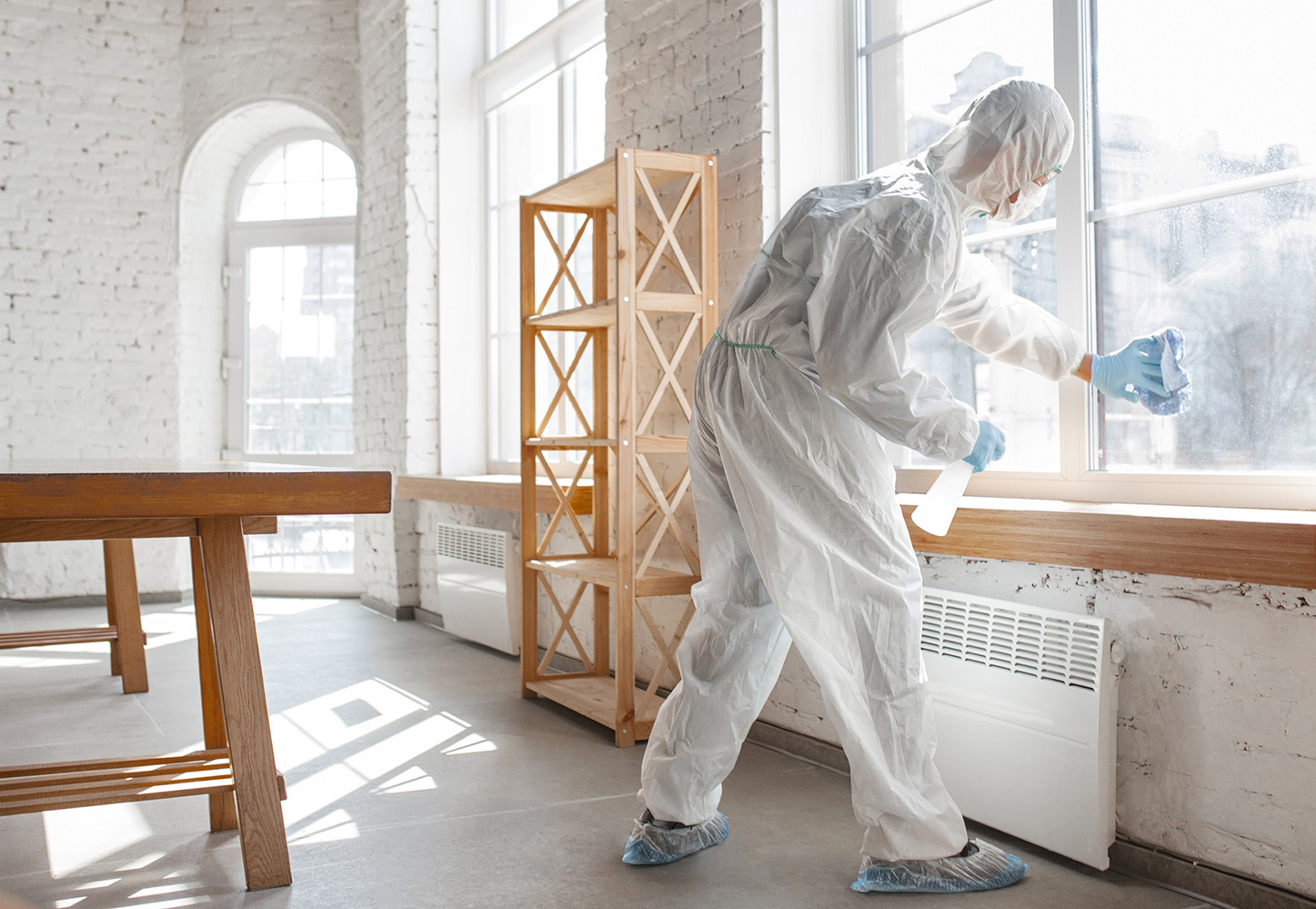
You just completed your home renovation project. The home finally looks how you wanted it to because dust has settled and paint has dried. But there’s a sharp smell in the air that won’t go away. Your eyes feel irritated. You have a mild headache since you woke up. Your child starts to cough at night.
The new construction scent which arises from home renovations contains dangerous elements. In many Singapore homes, it comes from formaldehyde released by fresh paint, plywood, cabinets, adhesives, and new furniture. The chemical persists indoors because Singapore residents keep their windows shut during hot weather and haze conditions and air-conditioned environments.
Singapore has begun to impose stricter regulations. From 1 January 2026, interior paints containing formaldehyde at or above 0.01% by weight are banned to cut emissions from fresh paint. This creates a breakthrough because paint represents only one source of emissions. Carpentry boards together with laminates and glue in built-in structures will continue to release formaldehyde for several months after installation.
Homeowners can make their living space safer by decreasing formaldehyde presence. This blog explains the characteristics of formaldehyde and its post-renovation persistence together with a guide for homeowners and designers to minimise exposure in 2026 while creating a secure breathing environment..
Why That “New Renovation Smell” Deserves Attention?
Formaldehyde exists as a colourless gas which people use as a building material for various construction products and furniture items. Its presence occurs in these places.
- Plywood and particleboard cabinets
- Laminate flooring
- Adhesives and glues
- Paints and varnishes
- Insulation materials
These materials release volatile organic compounds through off-gassing that happens after renovation. The warm and humid climate of Singapore causes off-gassing to last longer in tightly sealed apartments that have restricted airflow.
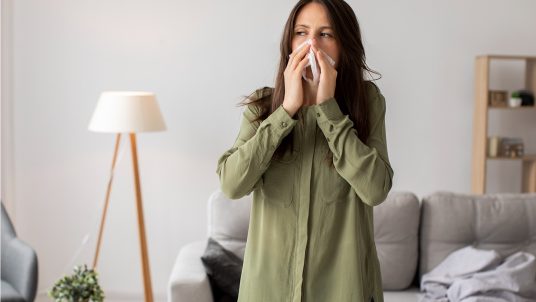
The first two days of exposure to the product trigger eye and nasal and throat discomfort. People in the family who have children or elderly members or respiratory problems will detect symptoms at an earlier time. The rising health consciousness among buyers leads property developers and interior designers to market indoor air quality as a valuable feature for their 2026 projects.
Indoor air in Singapore homes acts differently from the indoor air found in countries that have cooler and less humid climates.
Why Indoor Air Quality Matters in Singapore Homes?
The energy efficiency of Singapore houses gets achieved through their construction design. The design helps reduce cooling expenses, but it creates a situation where fresh air cannot circulate throughout the space. High humidity levels can trap pollutants indoors for longer periods.
HDB flats and condominiums face difficulty when they need to complete renovation projects within short time frames. New owners may move in within weeks of completion, before off-gassing has tapered off. The situation requires existing formaldehyde removal solutions to succeed by eliminating formaldehyde substances from the environment.
Indoor air cleanliness serves as a distinctive trait which real estate agents can use to promote newly launched properties. Sustainable design clients now ask for low-emission materials which used to be considered specialised knowledge among designers.
You should take sensible steps to reduce formaldehyde levels when you suspect its presence in your space.
LEARN MORE : Gaming Room Design Ideas For 2026: Make Your Gaming Hobby More Fun
How To Remove Formaldehyde After Renovation?
The process of formaldehyde elimination from renovated spaces starts with different steps which need to be done before using the final solution.
Increase Ventilation
Natural ventilation remains one of the simplest methods:
- Open windows daily for cross-ventilation
- Use standing fans to push indoor air out
- Leave cabinet doors and drawers open
In Singapore’s tall apartment buildings, the direction of airflow becomes important. The opening of windows on two opposite sides of the apartment creates better airflow throughout the unit.
Control Temperature and Humidity
Heat speeds up off-gassing. The first weeks of the process create an effective situation where controlled heating and the following ventilation process can expedite the release of the product.
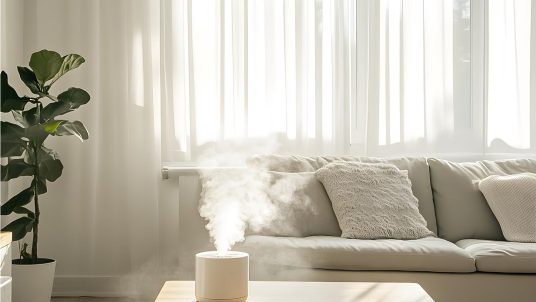
- Run air-conditioning or dehumidifiers to keep humidity below 60%
- Consider a short “bake-out” process (with professional advice)
In Singapore, humidity control becomes vital because excessive moisture leads to increased chemical emissions.
Use Air Purifiers with the Right Filters
Not all purifiers are equal. Look for:
- Activated carbon filters (for gas absorption)
- HEPA filters (for particles, though not gases)
The regular use of carbon filters in enclosed rooms enables effective formaldehyde elimination from indoor spaces.
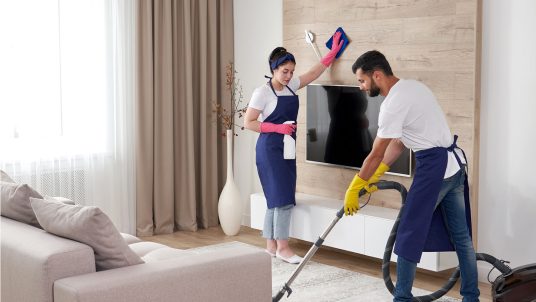
Wipe Surfaces and Clean Regularly
Dust can hold VOC residues. The process of cleaning opens a pathway to reduce indoor pollutants through the following steps:
- Damp-wipe new cabinetry
- Vacuum with a HEPA-filter vacuum
- Mop hard floors weekly
Consider Professional Treatment
In Singapore the formaldehyde removal services for severe cases which continue to smell strong after months of renovation work use these advanced techniques:
- Photocatalytic oxidation
- Advanced adsorption treatments
- Air quality testing before and after service
This situation happens when families need to move after a major home renovation project.
Despite growing awareness, many homeowners still rely on advice that sounds convincing but doesn’t hold up.
What are the Common Myths About Post-Renovation Air?
People believe common myths about post-renovation air quality which need to be examined. The internet contains numerous falsehoods which need to be corrected.
1. “If I can’t smell it, it’s gone.”
The formaldehyde content remains detectable through formaldehyde testing because its smell stays beneath perceptible levels.
2. “Plants alone will solve the problem.”
Indoor plants improve air quality but formaldehyde needs dedicated removal systems after renovation work.
3. “Opening windows for a day is enough.”
Off-gassing may continue for months, depending on materials used. The first two months after installation require adequate ventilation through the initial 4 to 8 week period. The official records show that some residents have already raised red flags about this actual concern.
Why Some Singapore Homeowners Reported Formaldehyde Issues After Renovation?
The National Environment Agency in Singapore received 19 public feedback cases about formaldehyde levels from renovation work between 2020 and 2024 according to a senior official from Singapore who spoke in August 2024.
The residents reported unusual chemical odors in their homes which they attributed to toxins released during renovation work. The multiple reports from different years show that some residents in Singapore experienced problems because of renovation materials used in their home spaces.
The authorities impose strict paint regulations while promoting safer product choices because of this particular reason. You need to complete several important checks before bringing your family back home.
A Quick Checklist Before Moving In
This reference guide offers users immediate access to all necessary information about unit handover requirements.
Before Occupancy:
- For two weeks, daily ventilation must be done
- Air conditioning needs to run for humidity reduction
- Use a purifier which has activated carbon for cleaning
- All areas require thorough cleaning through deep cleaning
- Indoor air quality testing must be done for sensitive occupants
This checklist helps property developers in Singapore who need to establish buyer confidence about indoor pollution levels.
Conclusion
Singapore people now consider indoor air quality as an important matter which requires their attention. Families now know everything that remains within their homes while developers build constructions that provide better indoor health. The formaldehyde removal process needs structured steps which help create better living conditions for children and senior citizens.
LOME Interior guides homeowners through all stages from design planning until they finish their post-renovation activities. LOME Interior focuses on creating indoor environments that promote better health for families who relocate after renovation work.
People who need indoor air quality improvement or want to make safer upgrades in 2026, contact LOME Interior for a consultation to start your next chapter.
If that “new renovation” smell won’t fade, don’t wait it out. Book a free quotation for a professional assessment and breathe easier in your refreshed home. Visit one of our showrooms at Joo Chiat Complex (#01-1135) or Toa Payoh Central (#01-364), open daily from 11AM to 8PM, or call 6747 0893/6253 8272 to schedule a consultation.
FAQs
Q1. How long does formaldehyde last in a renovated house?
The duration of formaldehyde presence depends on three factors which include the materials used and temperature and ventilation conditions. The humid environment in Singapore allows formaldehyde emission to become visible from several weeks to a few months.
Q2. What is the best way to remove formaldehyde?
There is no best way. A combination of ventilation, humidity control, and carbon-based air purification systems may work better than a single solution.
Q3. How to remove formaldehyde if I have to move in soon?
The process requires people to increase ventilation while cabinets stay open and dehumidifiers run and activated carbon air purifiers work continuously. Professionals who handle time-sensitive cases can reduce the concentration level faster with their help.
Q4. Are low-VOC materials formaldehyde-free?
Low-VOC materials produce less formaldehyde emissions, yet they still contain formaldehyde. Designers and contractors should verify certifications and documentation which manufacturers provide as their primary source of information.
Q5. Do I need to remove formaldehyde in every renovation?
Minor renovations may not become an issue. Major construction projects that handle much carpentry work with multiple glue applications and composite wood materials need active formaldehyde control methods.
