
What You’ll Learn in This Blog
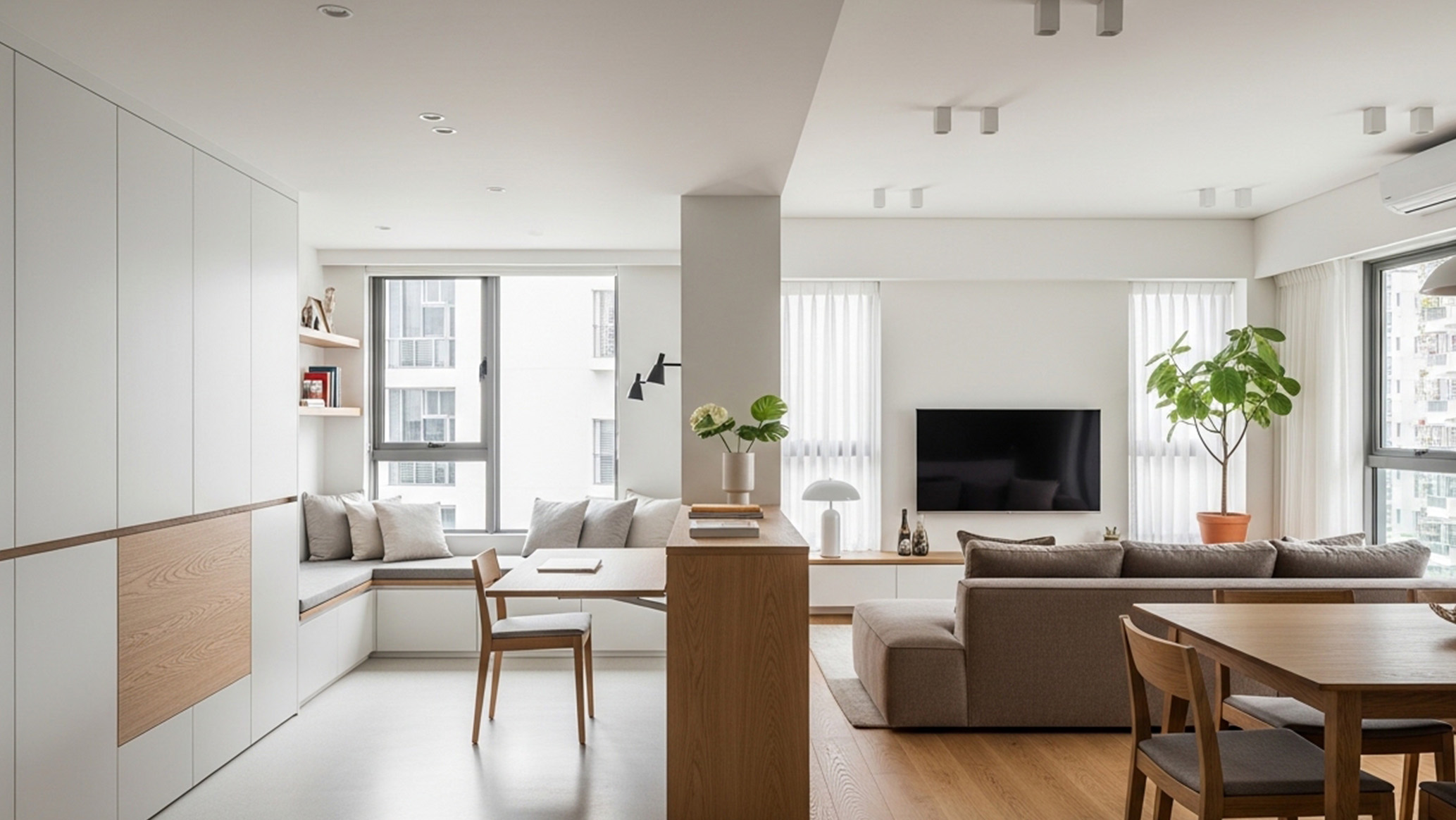
This blog explores practical Home Design Singapore solutions for 2026, focusing on space-saving strategies tailored to HDB flats, condominiums, and landed homes. Discover multifunctional furniture, clever storage innovations, zoning techniques for open layouts, and sustainable materials that maximise every square foot. Learn budgeting tips, HDB-compliant ideas, and how Lome Interior transforms compact spaces into stylish sanctuaries, complete with three FAQs for homeowners planning renovations.
Home Design Singapore: Space-Saving Ideas That Work in 2026
In Singapore’s urban landscape, where HDB flats average 60-110 square metres and even luxury condos prioritise efficiency, Home Design Singapore in 2026 centres on ingenuity. Homeowners demand layouts that accommodate work-from-home setups, family gatherings, and personal retreats without sacrificing style. At Lome Interior, we specialise in turning spatial constraints into opportunities, blending biophilic elements, modular systems, and smart zoning to create homes that feel expansive and eternally chic.
The Home Design Singapore Philosophy: Multifunctionality Meets Aesthetics
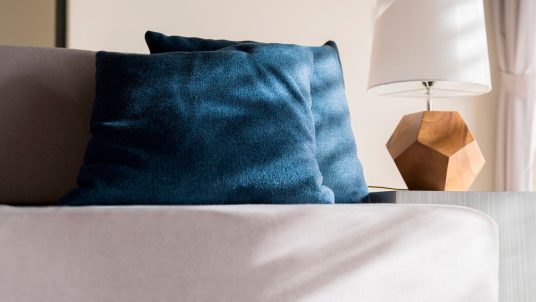
Home Design Singapore evolves beyond stark minimalism towards ‘soft luxury’—warm textures, organic curves, and layered lighting that foster calm amid city hustle. For 2026, expect Japandi influences (Japanese-Scandinavian fusion) with light woods, neutral palettes, and built-ins that conceal clutter. HDB regulations—no structural hacks, 2.4m false ceiling limits—shape practical innovation, while BCA Green Mark standards push sustainable choices like recycled laminates.
1. Vertical Mastery: Floor-to-Ceiling Storage Solutions
Singapore’s high ceilings (2.6-2.8m in HDBs) beg vertical exploitation. Floor-to-ceiling wardrobes with pull-out mirrors double as dressing rooms; living room units hide AV equipment behind sliding panels. Lome Interior’s signature ‘magic walls’ integrate ironing boards, vacuum mounts, and jewellery trays, reclaiming 20-30% floor space. In 3-room flats, overhead cabinets above doorways store seasonal items, while plinth beds lift mattresses for under-bed drawers—ideal for guest bedding or holiday decor.
2. Murphy Beds and Transformable Furniture
The Murphy bed revolutionises bedrooms: fold-down units convert sleeping quarters into home offices by day, saving 2-3 sqm nightly. Paired with foldable desks that tuck into walls, they suit hybrid lifestyles. Dining areas gain from extendable tables (seating 4-8) and stackable stools stored in niches. Lome Interior crafts bespoke pieces like ottomans with fridge drawers or coffee tables doubling as chess boards, ensuring Home Design Singapore remains playful yet purposeful.
3. Zoning Open Spaces Without Walls
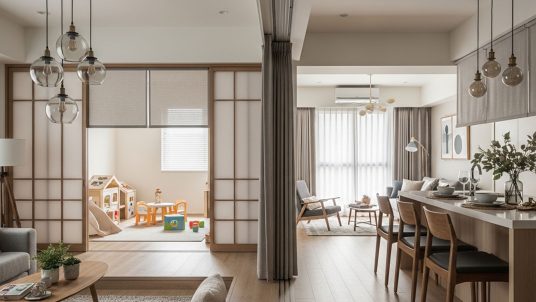
Open-plan HDB living rooms (often 20-25 sqm combined with dining) thrive on subtle dividers. Sliding shoji screens or frosted glass panels zone kids’ play areas from adult lounges, preserving light flow. Rugs define dining nooks; pendant clusters mark kitchen islands. Low-level podiums (15-20cm) create sunken lounges without tripping hazards, perfect for elderly-friendly Home Design Singapore. Fabric curtains on tracks offer acoustic privacy for Zoom calls, retracting seamlessly for parties.
4. Kitchen and Wet Area Optimisation
HDB wet-dry kitchens demand precision: slimline pull-out pantries (15cm wide) fit between fridge and wall; corner carousels access spices effortlessly. Lome Interior installs drawer fridges under counters and boiling taps saving bench space. Bathrooms gain wall-hung vanities (freeing mop areas) and niches within showers for toiletries. For condos, pocket doors vanish into walls, while bi-fold units fold accordion-style for guests.
5. Biophilic Boosts for Perceived Spaciousness
Home Design Singapore embraces nature: pocket planters in window sills filter views without blocking light; living walls (vertical gardens) on balcony edges cool interiors naturally. Faux stone cladding mimics travertine at fraction cost; rattan screens soften harsh lines. Mirror backsplashes reflect greenery, doubling visual depth. Indoor herb walls beside stoves provide fresh garnishes, blending utility with wellness.
6. Lighting as Space Expander
Strategic illumination tricks the eye: cove LEDs along perimeters draw gazes upward; recessed spots under shelves create floating effects. Dimmable circuits shift from task-bright (cooking) to ambient-warm (dinner). Lome Interior layers pendants (industrial glass over islands), table lamps (arched for corners), and toe-kick strips (night safety). Smart circadian systems sync with daylight, enhancing mood in window-scarce units.
7. Sustainable, Low-Maintenance Finishes
2026 Home Design Singapore prioritises durability: matte laminates resist fingerprints; microcement floors (seamless, waterproof) suit pet homes. Recycled teak veneers warm without warping in humidity. Low-VOC paints ensure indoor air quality; antimicrobial countertops fight bacteria. Lome’s selections withstand Singapore’s 80% humidity, backed by 5-year warranties.
Budgeting Home Design Singapore Renovations
3-room HDB: SGD 40,000-70,000 (full revamp). 4-room: SGD 60,000-100,000. Condos: SGD 80,000-150,000+. Allocate 35% carpentry, 20% electrical/plumbing, 15% flooring, 15% paint/walls, 15% contingency. Timelines: 8-12 weeks, including HDB submissions (2-4 weeks). Lome Interior streamlines with 3D visuals and phased works minimising disruption.
READ MORE : Small Condo Renovation Ideas: A Complete Guide for 2026
Lome Interior’s Proven Approach
Our customer-centric process begins with site audits identifying ‘dead zones’, followed by mood boards reflecting lifestyles—be it young families needing play-integrated storage or professionals craving WFH pods. Craftsmen deliver precision mitres and soft-close mechanisms; testimonials praise responsiveness (Jacob’s prompt queries, Benny’s creative pivots). From West Coast Crescent’s airy haven to Tampines Drive’s compact gem, we prove Home Design Singapore elevates lives.
Pitfalls to Avoid in Space-Saving Design
Overstuffing: Prioritise 80/20 rule—80% needs in 20% space. Ignoring flow: Test ‘kitchen triangle’ under 4m. Cheap materials: Invest in hardware (hinges last 50,000 cycles). Forgetting flexibility: Modular beats fixed for resale.

FAQs
Q1: What are the best space-saving ideas for small HDB flats in Home Design Singapore?
Vertical storage, Murphy beds, sliding partitions, and podium living zones work wonders. Lome Interior’s magic corners reclaim 15-20% space while maintaining airflow.
Q2: How much does a full Home Design Singapore renovation cost for a 4-room HDB?
SGD 60,000-100,000 covers quality carpentry, appliances, and compliance. Lome provides phased payments and value engineering to fit budgets without skimping.
Q3: Are space-saving designs practical for families with children?
Absolutely—rounded edges, lockable storage, and zoned play areas ensure safety. Lome’s child-centric audits integrate growth phases seamlessly.
Conclusion
Home Design Singapore in 2026 proves bigger isn’t better—smarter is. Lome Interior crafts enduring spaces where form fuels function, turning square footage into soulful living. Contact us to audit your home; let’s maximise every metre together.
