
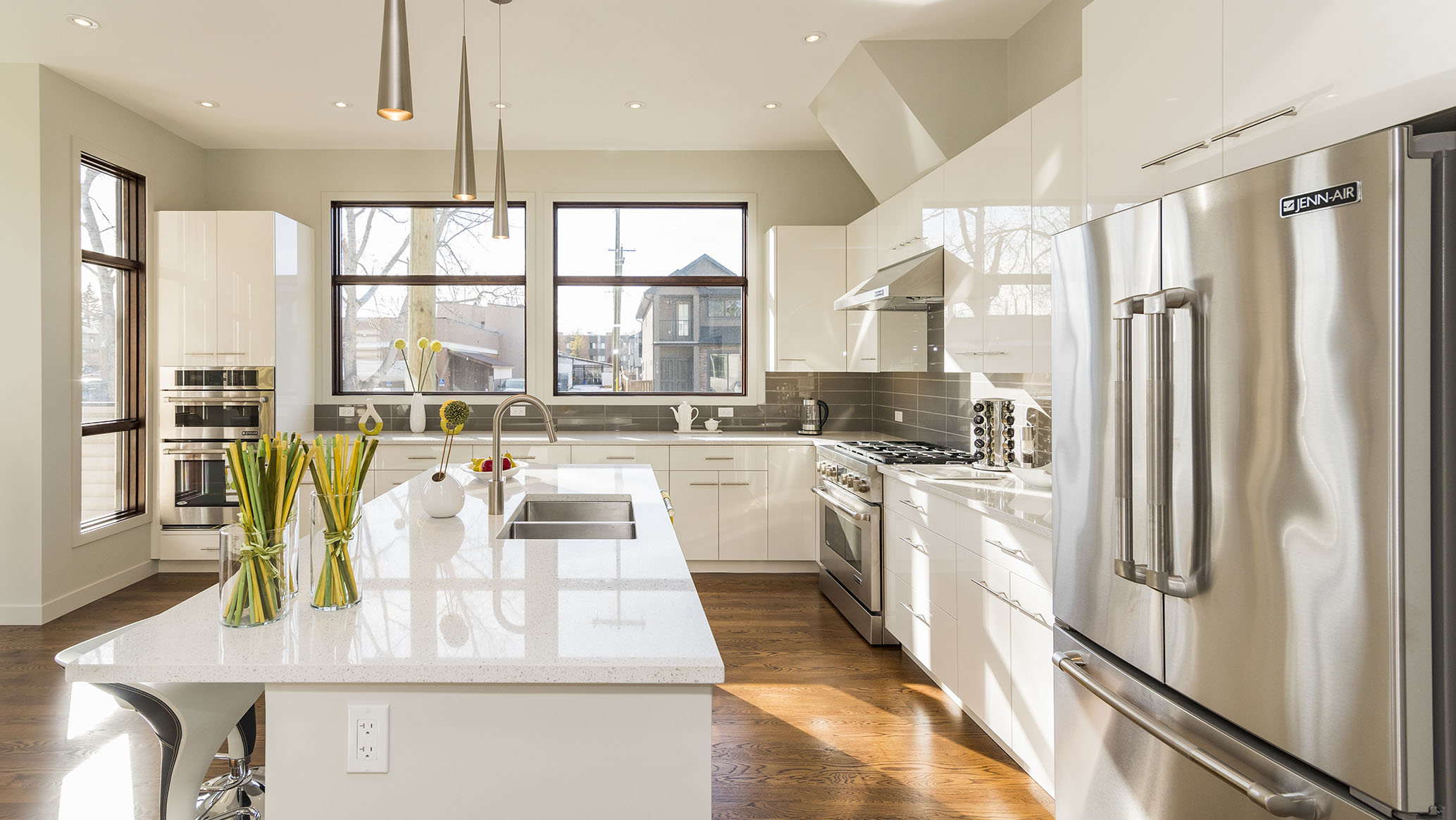
At a Glance: What You’ll Find in This Guide
This blog provides a comprehensive step-by-step kitchen remodelling guide tailored for Singapore homes. You’ll discover how to navigate planning, budgeting, design, and renovation, as well as tips on working with professionals, selecting materials, and managing timelines for a successful, stress-free kitchen transformation. The FAQs tackle common questions about costs, timelines, and design choices, helping you prepare confidently for your next kitchen project.
From Concept to Completion: A Step-by-Step Guide to Your Kitchen Remodel
The kitchen is the undisputed heart of every home—a space for creativity, family gatherings, and daily rituals. Yet, many Singapore households still deal with boxy, outdated kitchens that don’t cater to modern lifestyles. A thoughtful kitchen remodelling project can completely transform both the look and function of your most-used room, whether you’re working with a compact HDB or a spacious landed property.
But how do you move from initial ideas to a beautiful, fully finished space? Here’s a practical, step-by-step guide for kitchen remodelling, designed with the unique needs of Singaporean homeowners in mind.
Step 1: Defining Your Vision and Goals
Every successful kitchen remodel begins with clarity. Ask yourself:
- What’s missing in your current kitchen?
- Do you need more storage? A better cooking flow? Room for entertaining?
- Are you updating purely for aesthetics, or do you need a functional overhaul?
Create a wish list, collect inspiration images, and jot down non-negotiables. Honing your vision from the start will guide every decision and prevent expensive changes later in the process.
Step 2: Setting a Realistic Budget
Kitchen remodelling is a significant investment, so set a budget that includes:
- Demolition and preparation work
- Structural changes (if any)
- Carpentry, cabinetry, and countertops
- Appliances and fixtures
- Flooring and tiling
- Plumbing and electrical upgrades
- Painting and finishing
In Singapore, basic kitchen renovations can start from around SGD 8,000, but larger and higher-end remodelling projects may run well over SGD 25,000. Always add a 10–15% buffer for unexpected issues or upgrades.

Step 3: Planning the Layout
A good kitchen design focuses on efficient movement and clever storage. Consider these classic layouts:
- Single-wall (best for compact studios)
- Galley (efficient for small HDB kitchens)
- L-shaped (popular for open-plan living)
- U-shaped (maximises storage and work zones)
- Peninsula or island (ideal for larger spaces and social kitchens)
The “kitchen work triangle”—positioning the sink, hob, and fridge for easy access—remains crucial for workflow. Consider what appliances you’ll keep, upgrade, or relocate, and how the new space will function for your family’s needs.
Step 4: Engaging the Right Professionals
While DIY is tempting, kitchen remodelling in Singapore typically requires professional expertise. Choose an interior design firm or renovation contractor with:
- Local HDB/condo experience
- Proven references and a solid portfolio
- Clear communication and transparent quotations
Schedule consultations early, discuss ideas, and make sure you’re comfortable with their approach. A good designer helps you translate your vision into actionable plans, ensures compliance with HDB or MCST regulations, and manages site works.
Step 5: Selecting Materials and Appliances
Material selection is where style and practicality meet. Some key points:
- Cabinetry: Opt for moisture-resistant materials, especially for the humid Singapore climate. Laminates, plywood, and PVC are popular choices.
- Countertops: Quartz and granite are durable and elegant, while solid surface tops offer budget-friendly versatility.
- Splashbacks: Glass, tiles, or stainless steel are easy to clean and add visual impact.
- Flooring: Choose slip-resistant tiles or vinyl for safety and ease of maintenance.
- Fixtures: Consider mixer taps, deep sinks, and built-in dish drainers to streamline your workflow.
For appliances, think long-term: energy efficiency, suitability for local voltage and gas, and capacity for your household needs.

Step 6: Approvals and Scheduling
For HDB flats, you’ll need:
- Renovation permits
- Registered contractors (HDB-licensed)
- Strict adherence to noisy work hours and approved plans
For condos, submit your designs to the MCST for approval before starting. Factor in extra time for paperwork and contractor scheduling. Communicate proactively to avoid delays—especially during peak renovation seasons.
Step 7: Demolition and Site Preparation
With approvals in hand, your contractor begins site works:
- Clearing out the old kitchen
- Protecting flooring and adjacent rooms from dust and debris
- Inspecting for underlying issues (wiring, leaks) that may require rectification
This stage is noisy and dusty, but careful site preparation makes the next steps faster and safer.
Step 8: Structural and Systems Work
Any foundational changes, such as moving walls, repositioning plumbing, or upgrading wiring, happen now. In Singapore’s HDBs and condos, many structural works are restricted, so always check guidelines and work with qualified professionals. Systems upgrades also include:
- New lighting points or power sockets
- Water heater or gas line installation
- Plumbing for dishwashers or filtered taps
Addressing these early in the process prevents “patch-up” jobs later.
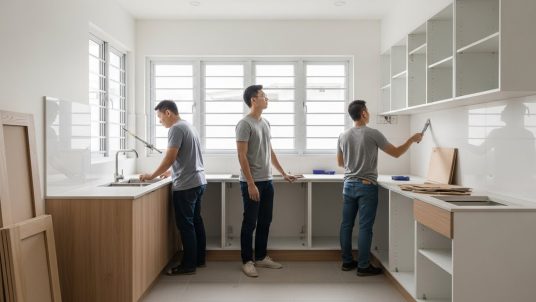
Step 9: Carpentry, Tiling, and Surface Finishes
Now the transformation comes alive:
- Carpentry teams install new cabinets, countertops, and storage features
- Tilers lay splashbacks and flooring
- Painters refresh walls and ceilings
Quality carpentry is critical for both looks and everyday use, so ensure your installer shares progress updates and allows for snagging before completion.
Step 10: Installing Fixtures and Appliances
With the main structure in place, your team will fit:
- Lighting fixtures (downlights, pendant lamps, under-cabinet strips)
- Sinks, taps, and hardware
- The hob, oven, hood, fridge, dishwasher, and other appliances
Double-check everything works and fits as intended—sometimes last-minute tweaks are needed, especially in compact Singapore kitchens.
Step 11: Final Checks and Styling
A thorough inspection ensures your kitchen is:
- Safe (well-installed appliances, no leaks or exposed wiring)
- Practical (cabinet doors and drawers open smoothly, lighting is sufficient)
- Spotless and ready for use
Add finishing touches with stylish décor—open shelves, plants, curated crockery, or a statement light fixture—to balance aesthetic appeal and daily convenience.
Step 12: Handover and Maintenance
When everything is complete, your contractor or designer should walk you through:
- Maintenance tips for different materials
- Proper use of appliances and fittings
- Warranties and after-sales support
Keep all contracts, permits and manuals together for future reference. Routine cleaning and occasional touch-ups will keep your remodelled kitchen looking new for years to come.

Frequently Asked Questions (FAQs)
1. How much does a kitchen remodelling cost in Singapore?
Basic kitchen renovations typically start around SGD 8,000–10,000 for a standard HDB, while full custom jobs with premium finishes can reach SGD 25,000 or more. Factors affecting price include material choice, complexity of the layout, and appliance upgrades.
2. How long will my kitchen remodelling take?
A straightforward kitchen remodel can be completed in 3–6 weeks on average. Allow more time if extensive works, complex cabinetry, or custom orders are involved. Always discuss your timeline up front with your contractor to avoid surprises.
3. How do I choose a kitchen layout for my flat?
Decide based on the size and shape of your space. For compact homes, galley or L-shaped layouts maximise working space, while an open-plan or U-shaped kitchen excels in larger flats. Balancing aesthetics, workflow, and storage is key—your designer can advise on the best configuration for your needs.
Conclusion
A kitchen remodelling project in Singapore is an exciting opportunity to uplift your home’s heart—transforming the way you cook, dine, and connect as a family. By approaching the journey methodically—from defining your vision and setting a realistic budget, to working with experienced professionals and checking every detail at handover—you can ensure a joyful, smooth transformation. With the right partner, such as Lome Interior, your dream kitchen isn’t just a concept—it’s a reality, from the very first sketch to the final, sparkling surface.
